Volio
VolioShort-staffed restaurant: what to cut tonight
One waiter down on a Friday: close a section, shorten the menu and stop walking the card machine. A list for tonight and one for next month.
Tonight: close the section farthest from the pass, take the slowest dishes off, space the bookings, and put one person on drinks and payments. That gets you through the service. The walking you can remove for good is the trip to take the order and the two trips for the bill and the card machine, once QR ordering lets guests order and pay at the table on their phone.
Tonight: the first five cuts
It is 4 pm and a waiter has called in sick. Work down the list.
- Close a section. Pick the tables farthest from the pass and put reserved signs on them. Ten tables served properly beat fourteen served badly.
- Shorten the menu. Take off the two or three dishes that tie up a cook longest, and anything finished at the table. Tell the floor before the doors open so nobody sells one.
- Space the bookings. Ring the 8 pm tables now and offer 7.30 or 8.30. Six tables sitting down in the same ten minutes is what breaks a short team.
- Split the work by job. One person takes orders. One runs food. One does drinks and payments and nothing else. A waiter who does all three for five tables spends the night walking.
- Set the room before service. Water, cutlery, bread, menus on every open table. Each thing already on the table is a trip nobody makes at 9 pm.
Then a five-minute briefing: which section is closed, what is off, who does what.
The walking you can remove
Count the trips to one table on a normal night: seat them, take the order, bring drinks, bring food, check back, bring the bill, bring the card machine. Seven. In a room of 12 tables that each turn twice, that is 168 trips, before anyone asks for more bread.
Tonight you can fold some together with no new tools.
- Take the drinks order as you seat them. One trip gone.
- Bring the card machine with the bill, every time. One more.
- Check back on the way to another table, with plates in your hand.
Three of the seven do not need a waiter at all. If guests order on their own phone, the order trip goes. If they pay on it, the bill and the card machine go too. That leaves seating, drinks, food and the check-back: the four where a guest wants to see a person. What a system for that costs is worked out in the cost of a QR ordering system.
Tell guests before they ask
Warn guests about the wait before they sit down, so nobody discovers it at 9.15.
Say it at the door, once, in one sentence: “We’re one short tonight, so food will take about ten minutes longer. Drinks will be quick.” Say what is off the menu before they read it. Then stop apologising and keep the promise about the drinks.
Put the same line on the booking confirmation call when you move a table’s time. People planning a babysitter would rather know at 5 pm.
Next month: where the hours go
One sick call is bad luck. The same shortage every Friday is a rota problem, and the answer is usually in numbers you already have.
Lay your takings by hour next to the rota for the last four weeks. Look for the mismatch: three people on at 5 pm with four tables in, and the same three at 9 pm with the room full. Move hours before you add any.
Teach one more job to each person. A runner who can pour a beer and a bartender who can take a food order are worth more on a short night than a spare pair of hands.
Hiring has become easier in the US, which helps a little. The National Restaurant Association’s 2026 report Research Insight: Hiring & Staffing says: “Only 22% of operators said their restaurants lacked enough staff to meet customer demand in 2025, down from 32% in 2024” and 78% in 2021. A sick call at 4 pm still leaves you one short.
What research says about ordering from the table
The closest evidence is a study of tabletop devices at one chain. Tan and Netessine, in Management Science in 2020, studied a restaurant chain that brought in the devices in stages. Their abstract reports meal duration down by close to 10% and no change in the staffing level, and that “low-ability waiters” improved their performance more than “high-ability waiters”.
Meals got shorter with the same number of staff, and the weaker waiters gained most. The study did not test a short-staffed night or guests’ own phones, so read it as a direction and nothing more.
What Volio does
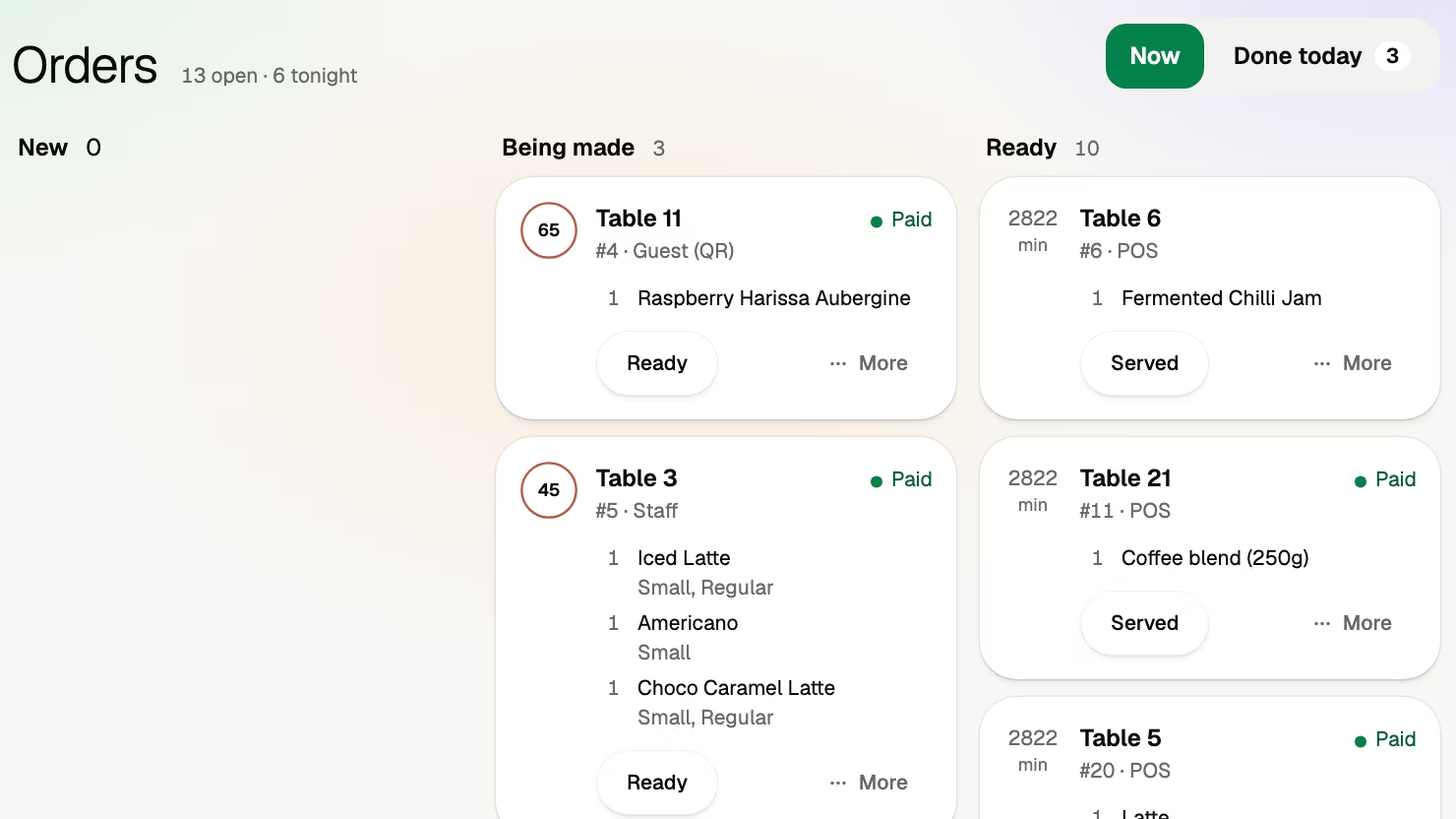
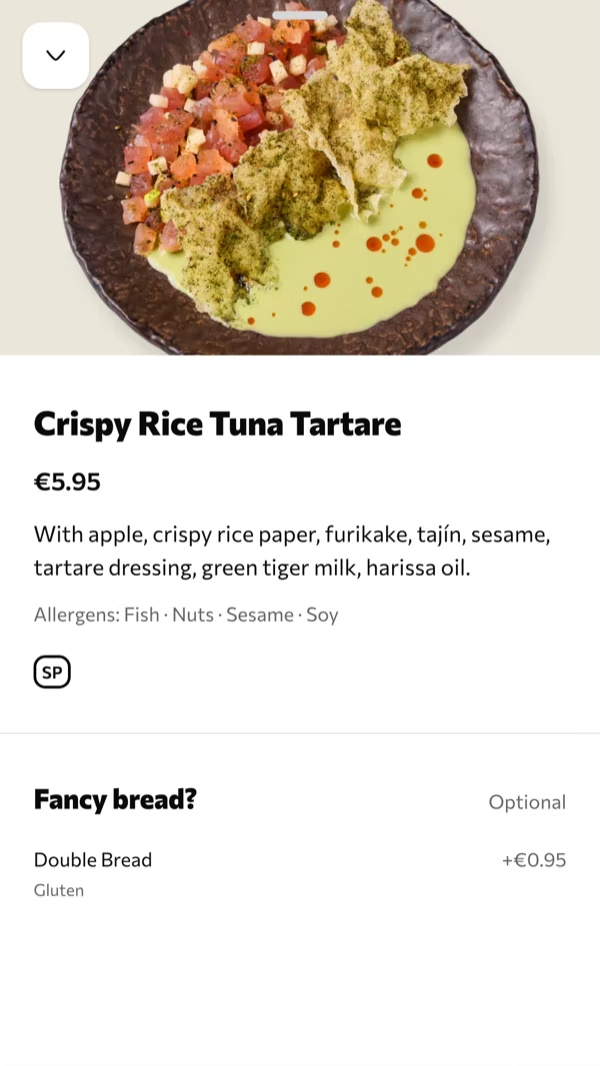
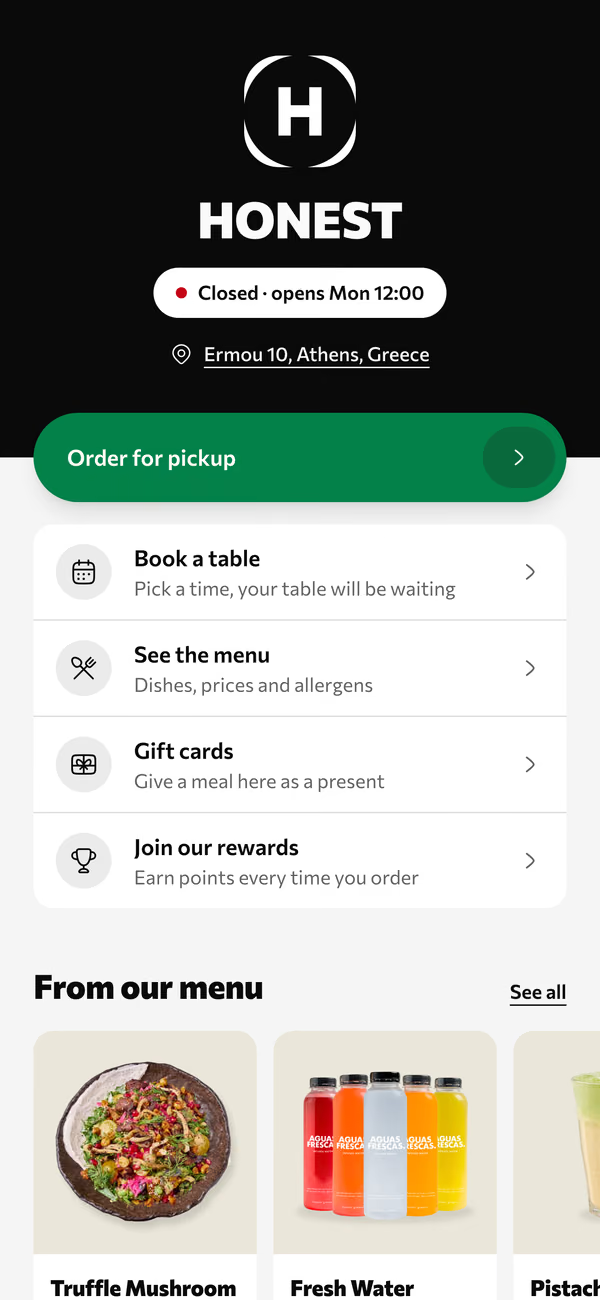
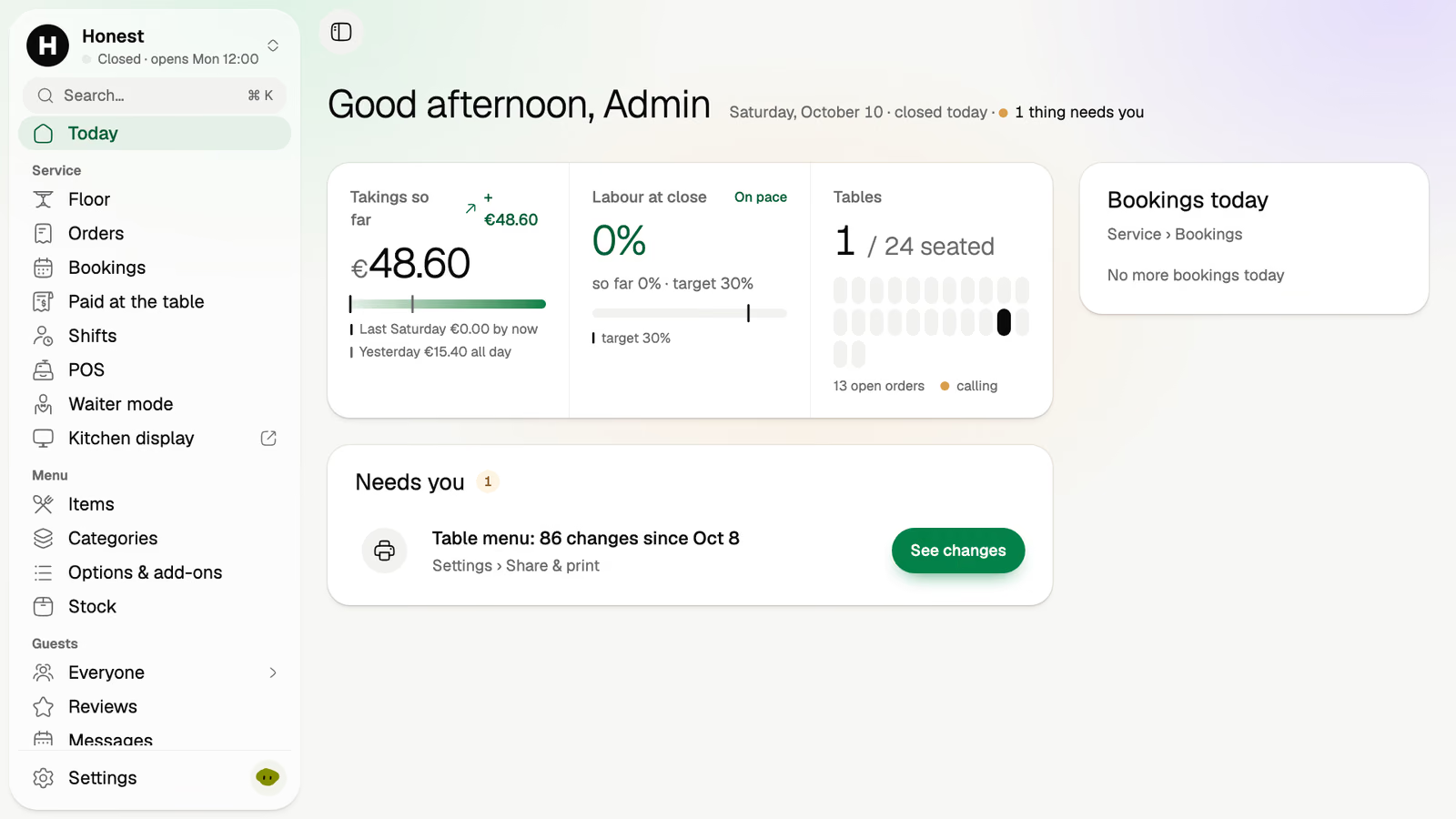
Guests scan a code, order and pay from their phone, so the order, the bill and the card machine no longer need a trip. Waiter mode puts the room on a staff phone as tiles, and the kitchen display shows each ticket with a timer. Shortening the menu is one tap per dish with sold out, or a schedule that drops dishes at set hours. Booking rules set the times offered and the party size, on the Essential plan. Shifts, the rota against the sales forecast, are on Pro.
Software does not cook, and a guest who wants a waiter still needs one. Volio makes no claim about hours saved.
For next month, see what the team works with, and how the same minutes show up in your table turnover rate.
Sources
Read on 12 October 2026.
- National Restaurant Association, Research Insight: Hiring & Staffing (2026): report, report page
- Tan and Netessine, “At Your Service on the Table: Impact of Tabletop Technology on Restaurant Performance”, Management Science 66(10), 2020: pubsonline.informs.org